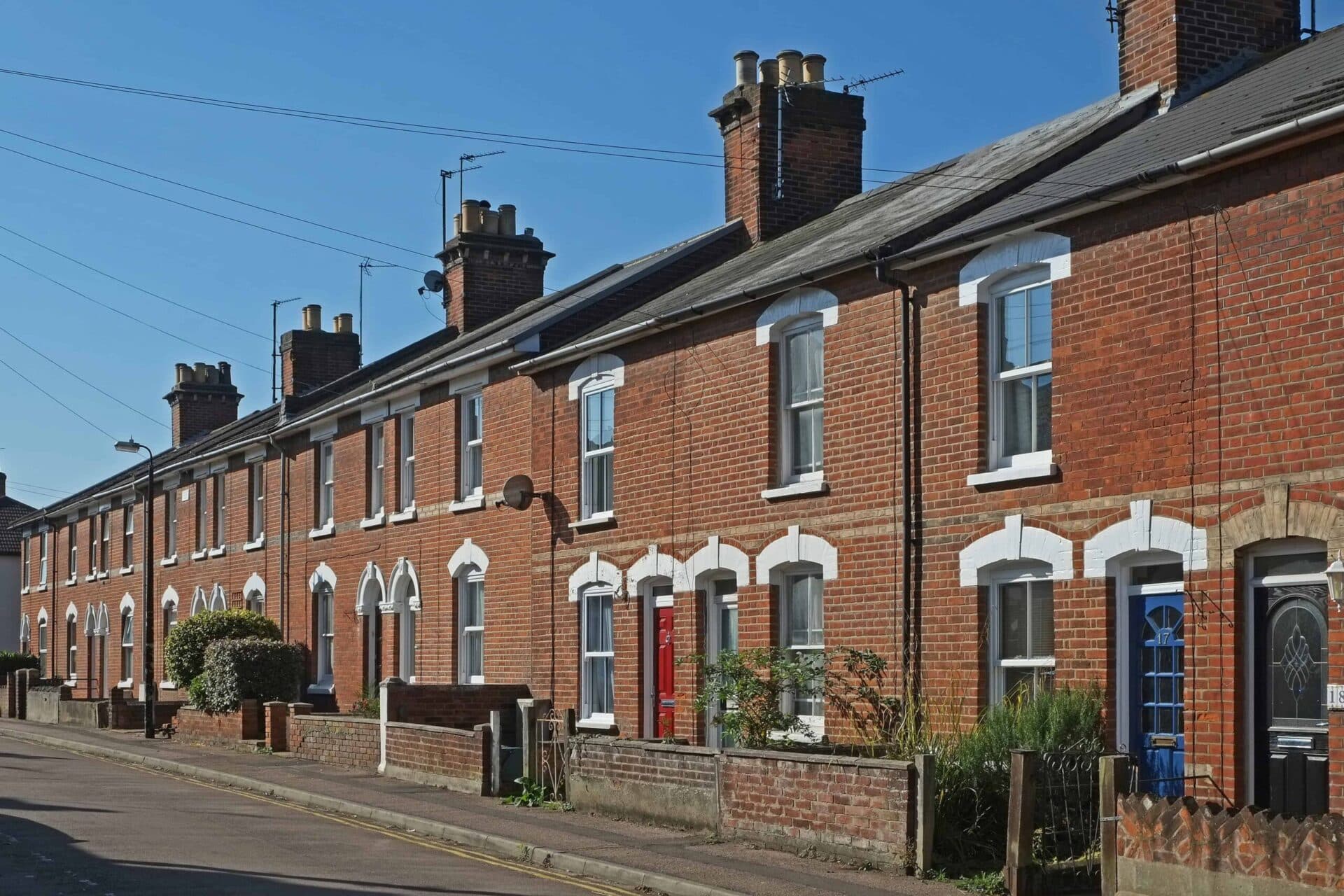
Aerial view of a street of British terraced houses at golden hour

Invest in property.Leave the day to day to us.

Explore professionally managed opportunities, with clear costs and a plan you can understand.

The routes

Two ways to invest capital into UK property.

Both invest capital into UK property. One route is property ownership; the other offers a fixed profit share from the capital invested.

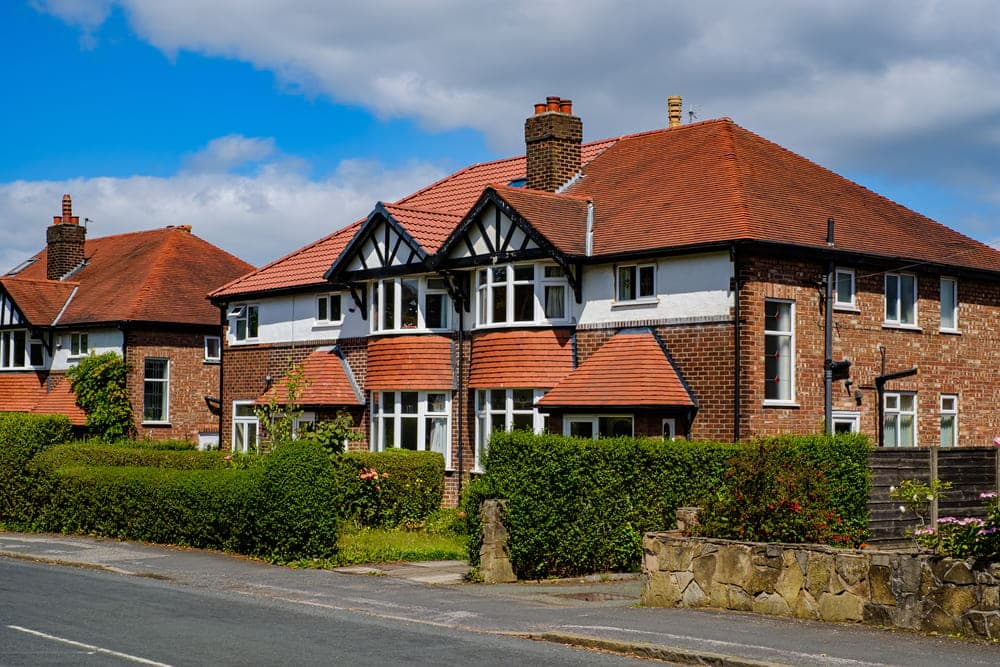
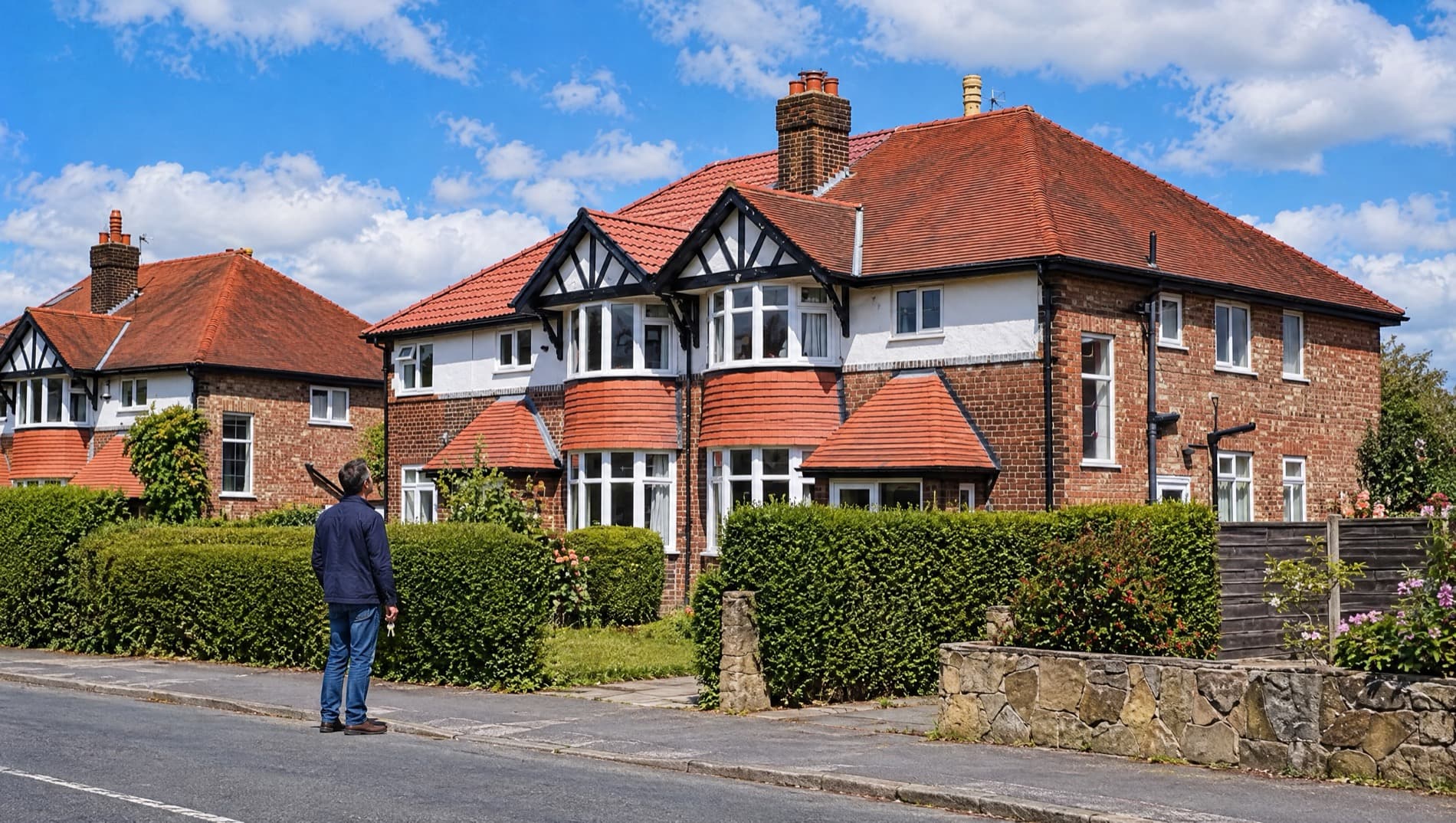
Man standing on the pavement looking up at a 1930s semi-detached house

Property ownership

Own the property outright.

How this route works

Buy a UK property in your personal name or through a limited company, then rent it on a long lease to a social housing provider. MRM sources the property, refurbishes it to social housing standards, and the rent is paid directly into your bank account under the agreed lease.

  • You own the property
  • Government and insurance-backed rental income is paid directly into your bank account
  • Sourcing, refurbishment and lease negotiation handled by MRM Group

Two people reviewing a printed contract at a tableCertified investors

Fixed return

Review a fixed-term opportunity.

How this route works

MRM sources property investment opportunities and offers fixed-term profit-share opportunities to eligible investors. We identify the opportunity, raise funds from investors to purchase and renovate the property, and agree a fixed repayment date when your initial capital plus an agreed profit amount is returned.

  • We find the investment opportunity
  • We raise funds to purchase and renovate the property
  • We agree a fixed repayment date for your initial capital and profit amount

Review current opportunities before you book. You confirm your investor status only when requesting a call.

Live deals

What is available right now.

Each deal is published with the property, the lease and the figures behind it. A deal listed here is one MRM is placing at the moment, not an example.

How it works

The whole structure, start to finish

Every stage of the model, from the property being sourced to rent reaching your account.

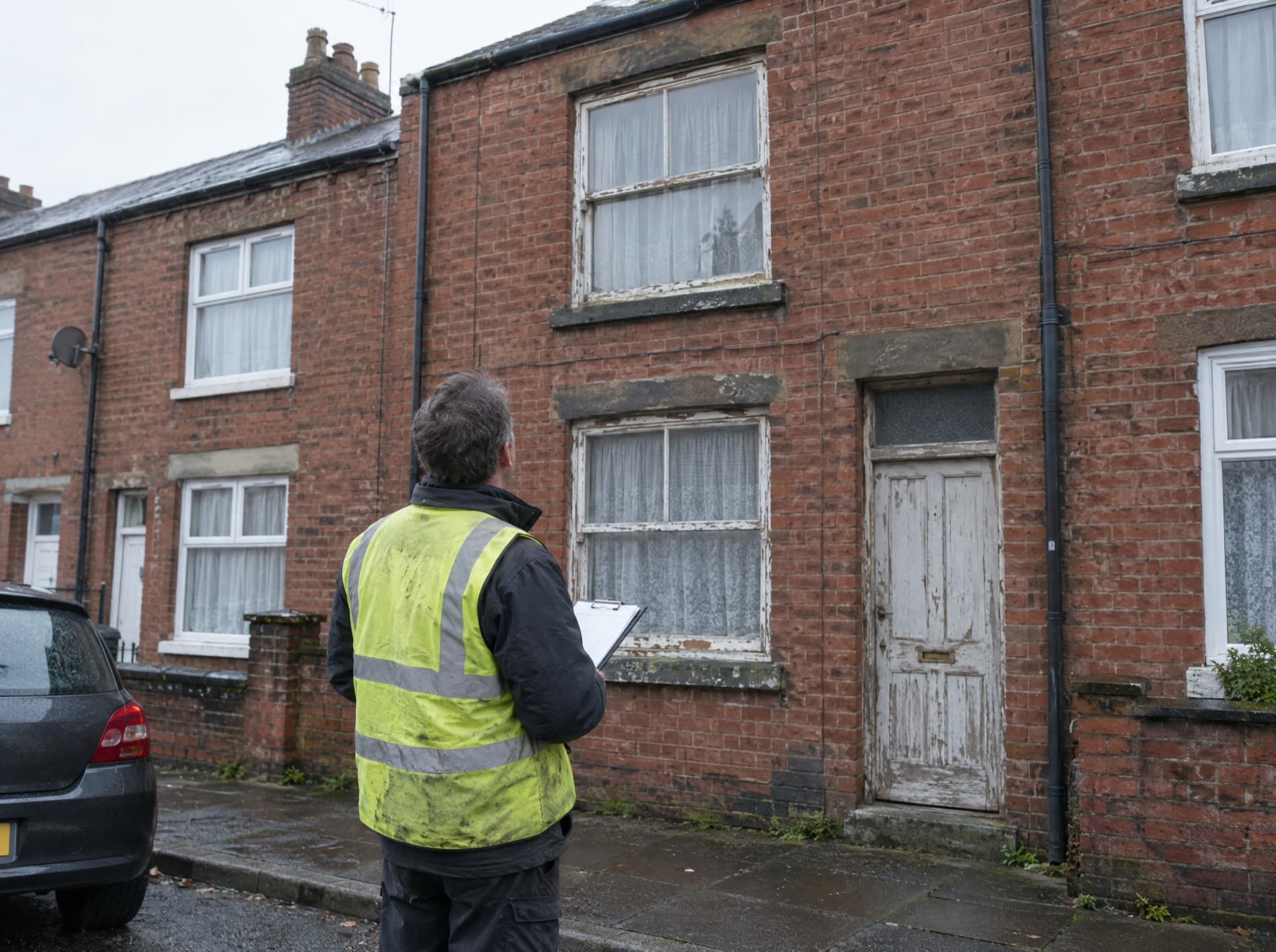
Surveyor in a hi-vis vest looking up at an unrenovated terraced house01/05Handled by MRM

Sourcing below market value

We find properties below market value with government and insurance-backed rental income arrangements.

Hands signing a document at a solicitor's desk with house keys beside it02/05Handled by MRM

Purchase and conveyancing

Conveyancing and surveys are managed end to end.

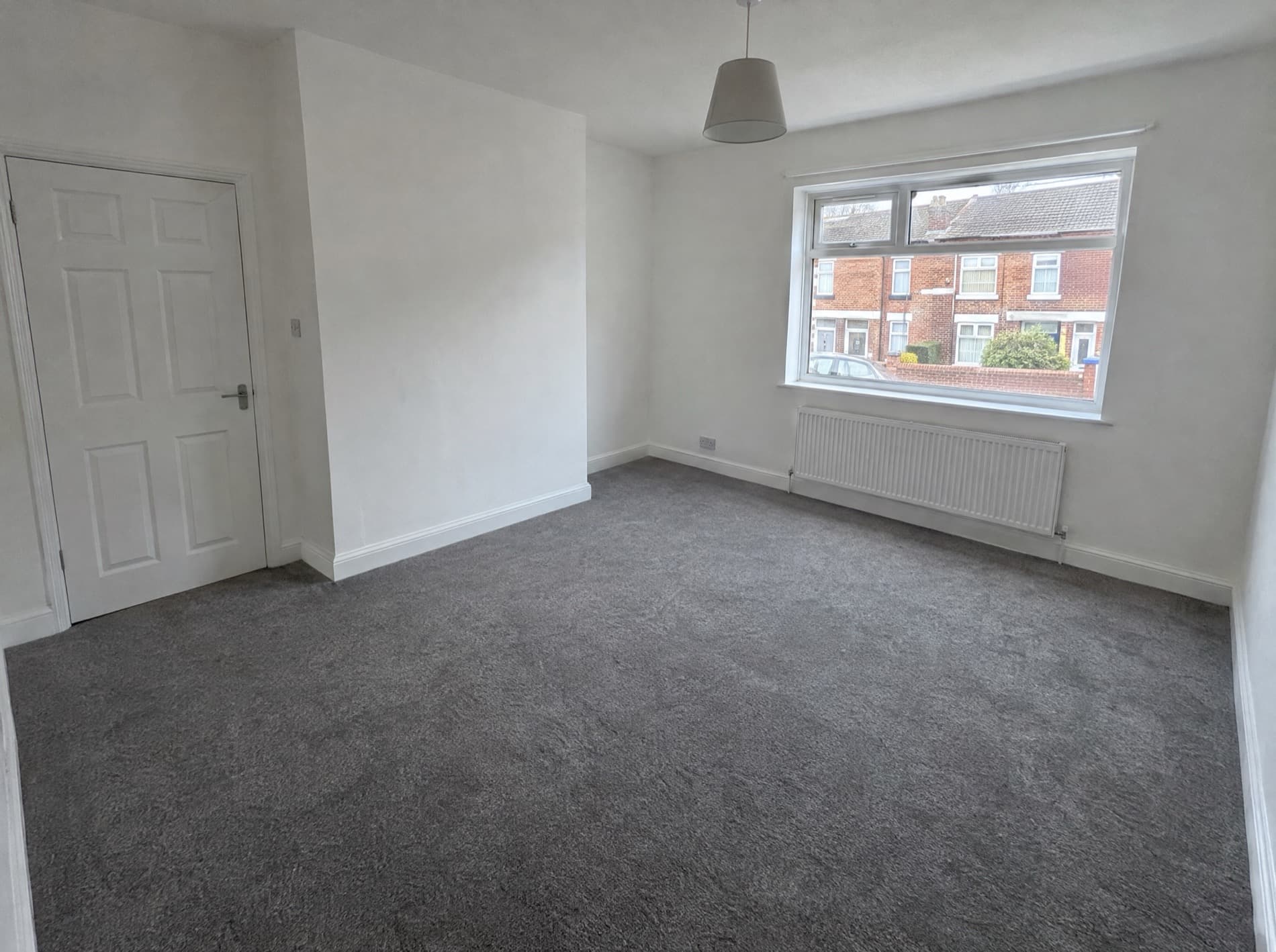
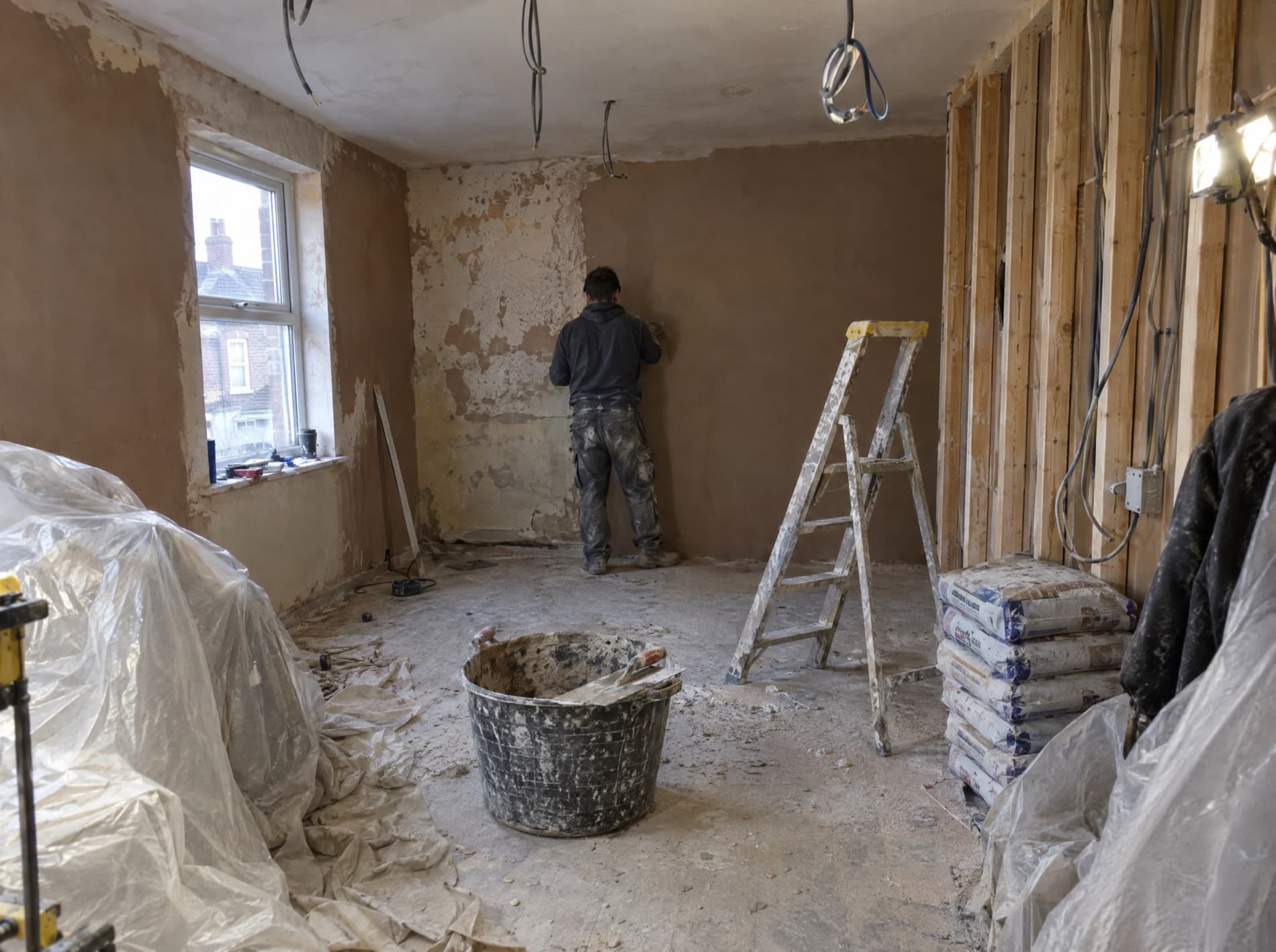
Freshly refurbished empty living room03/05Handled by MRM

Let on a long lease

The completed property is let on a long-term lease to a local authority or housing association. That institution takes on the tenant and day-to-day management in place of an individual private tenant. The agreed rental arrangement is documented in the lease.

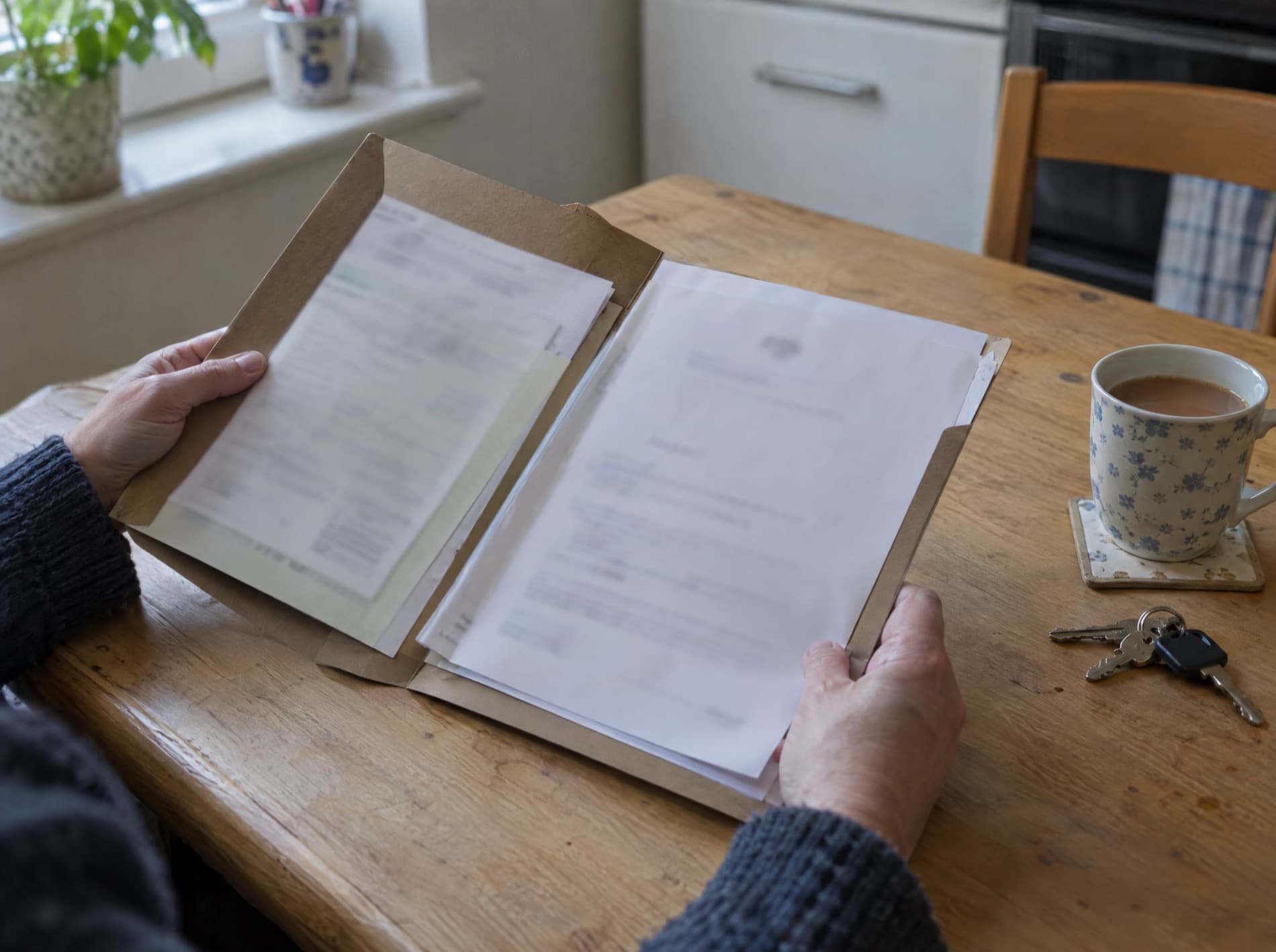
Hands holding a wallet of property papers at a kitchen table04/05Yours

You hold the legal title

The property is registered in your name at HM Land Registry.

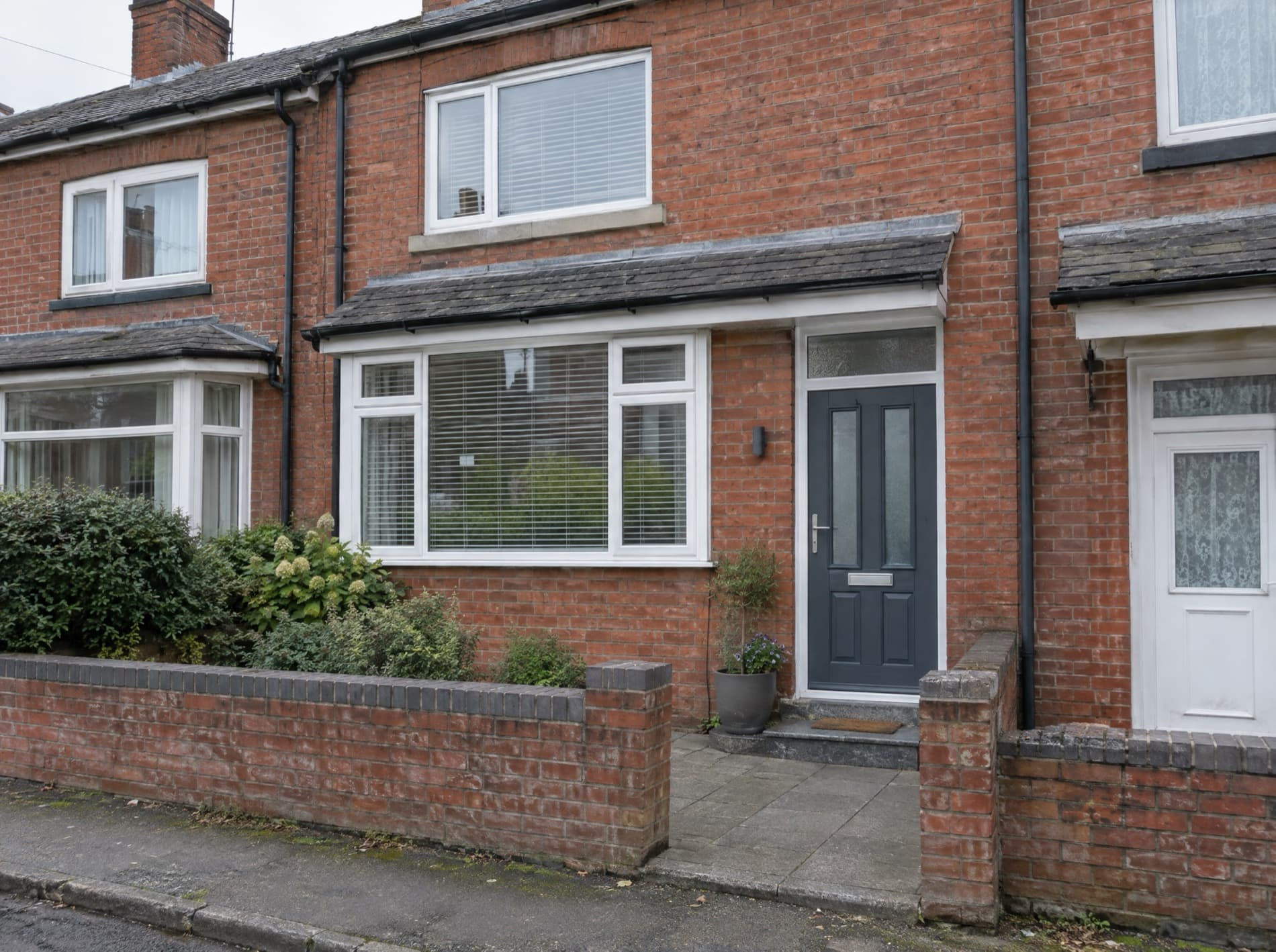
Front of a tidy, refurbished terraced house05/05Yours

Rent paid

Rent is paid directly into your bank account by the local authority, housing association or operator named in the lease.

See the deals available now

Compare the routes

Choose the structure that fits how you want to invest.

Both routes invest capital into UK property, but the ownership, responsibilities and exit are different.

Investment route

Option 1: Fixed returns

Simplicity of return

You know the capital required, fixed repayment date and agreed amount in advance, with no ongoing management decisions.

Security over ongoing management risk

Your protection sits in the charge or security package rather than monitoring a tenant or property day to day.

No landlord obligations

You are an investor, not an owner, so property condition, compliance, insurance and tenant issues do not sit with you.

Defined exit

A fixed repayment date gives you a clear point to plan around rather than needing to sell an asset to release capital.

Typically lower entry threshold

The required capital may be lower than purchasing and refurbishing a property outright.

Fixed-return terms and security depend on the individual opportunity and its contract. Capital is at risk.

Your private workspace

The whole investment, visible from one place.

Once you move forward, your MRM portal becomes the record of the work. Follow the build, review documents, track payments and speak to the team without chasing for an update.

Client login
MRM Client PortalIllustrative portal view

Delivery

A visible delivery plan

Live client view
Project progress3 of 5 stages
✓Sourced
✓Surveyed
3Refurbish
4Lease
5Complete

Latest update

First-fix work underway

New photos and a site note have been added to your project.

Recent documents

RICS valuationPDF
Works schedulePDF
Solicitor updatePDF

Completed projects

Completed deals, with the real numbers

Three social housing property examples, with purchase costs, refurbishment, rental income and project duration.

Semi-detached brick property in Uttoxeter

Social housing

Uttoxeter

Value after refurbishment

£0

Purchase price
£175,000
Final refurbishment cost
£80,000
Value after refurbishment
£350,000
Property type
Semi-detached
Capital needed
£154,000
Annual net rental profit
£15,030
ROCE
64%
Net yield
4%
Lease type
Social housing
Lease length
5–30 years
Project duration
6 months

Past performance of previous deals does not indicate future results.

Book a call
Aerial view of a residential neighbourhood

The company behind the property

Built by an operator, not a marketing layer.

MRM brings property sourcing, refurbishment and lease placement into one documented client journey. Manny has worked in property for 10 years and completed more than 50 developments.

£1m+

Investor capital deployed

50+

Investor deals completed

50+

Developments completed by MRM Group

Due diligence

Do not take our word for it.

Review the work, read the evidence and involve your own advisers. The material below is designed to help you test the property, the structure and the operator before making a decision.

Independent advice is part of the process.

On a live opportunity, you can review the valuation, lease, title information, works schedule and figures with your solicitor, surveyor, accountant or financial adviser. References from completed clients are available on request.

Answered

Questions investors ask

The questions raised most often about this model, including the ones prompted by the failures elsewhere in the sector, answered directly.

Isn't this the same as the schemes that collapsed?

It sits in the same category, which is why it is the first question to address. The failed schemes shared two features: the lease sat with a thinly capitalised middleman rather than a real institution, and the property was sold well above its bricks-and-mortar value. Both are verifiable in any deal: the identity of the lessee, and an independent valuation. Here, the lessee is a named local authority or housing association, and an independent RICS valuation is provided before purchase.

How can the yield be strong and the risk be low?

It cannot, and no such claim is made. The return comes from buying below market value and adding value through refurbishment, and an institutional lessee reduces void and arrears risk. It does not remove risk: property values can fall, refurbishments can overrun, and leases end.

If it is hands-off, do I really own it?

Yes. You hold the legal title. Hands-off describes who does the work, not who owns the asset, and conflating the two is what caught investors in the failed schemes.

Council tenants: won't the property be damaged?

The lease is held by the local authority or housing association, not by an individual tenant. Under the lease, the institution is responsible for the rent and for the condition of the property. That structure is what removes individual-tenant risk.

What is the catch?

Time and liquidity. Conveyancing and refurbishment run in months, not weeks, and property is not a liquid asset. Releasing capital means selling, which takes time. The model suits capital that can stay invested; it is not suitable if you may need quick access to it.

After you book

What happens when you get in touch.

Booking a call commits you to a conversation, nothing more.

  1. 01

    An introductory call

    A conversation about whether the model fits your situation. No pressure, no obligation.

  2. 02

    Review a real deal

    We walk through a completed deal on screen: the property, the lease and the actual figures.

  3. 03

    Your own due diligence

    You verify everything independently: the valuation, the lease and the numbers, with your own advisers.

  4. 04

    Decide in your own time

    If it is right for you, the team prepares the route-specific legal documents. Nothing proceeds until you and your advisers are satisfied.

Terraced rooftops and chimneys at dusk

See whether it fits.

Book an introductory call to review a live deal, its figures and the next steps with the team.

Book a call